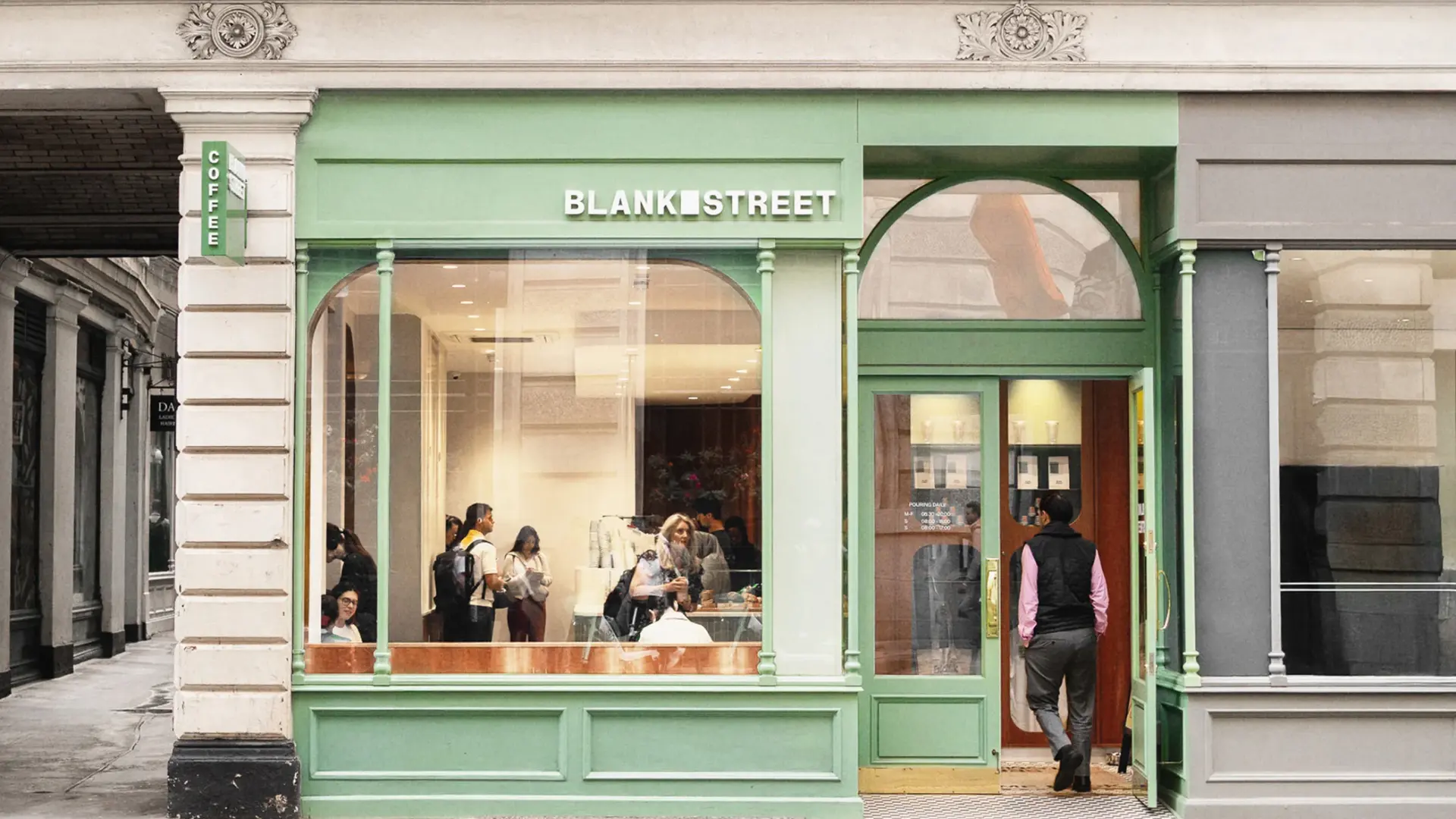
There is a new generation of consumer brands that seem to operate by a slightly different set of rules.
They sell olive oil and sunscreen and tinned fish and protein bars and instant soup, categories that have existed for decades, sometimes centuries. On paper, many of these products are not revolutionary. And yet the brands behind them can feel completely new.
That is because the product is only part of what they are selling.
You want your pantry to look like Pop Up Grocer or Meadow Lane, with the most beautiful products on display rather than hidden away.
There is an almost indescribable layer of value sitting above the physical product: an aesthetic, an identity, a point of view, a sense of belonging, an energy.
A vibe.
And increasingly, entire businesses are being built around it.
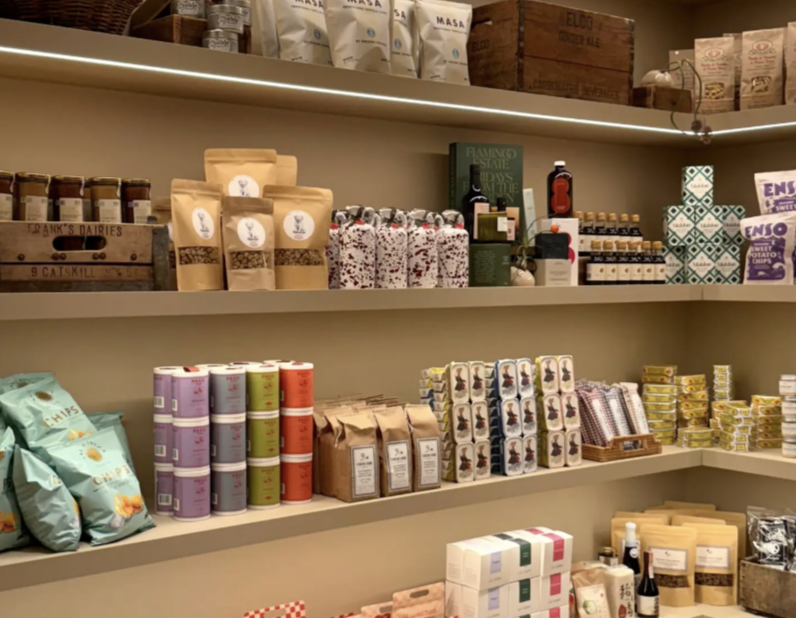
The Vibe Economy is the growing universe of consumer companies that turn cultural and emotional resonance into economic value. They do not simply ask, What does the consumer need? They ask, consciously or not, How does the consumer want to feel? Who do they want to be? And what kind of world do they want this product to belong to?
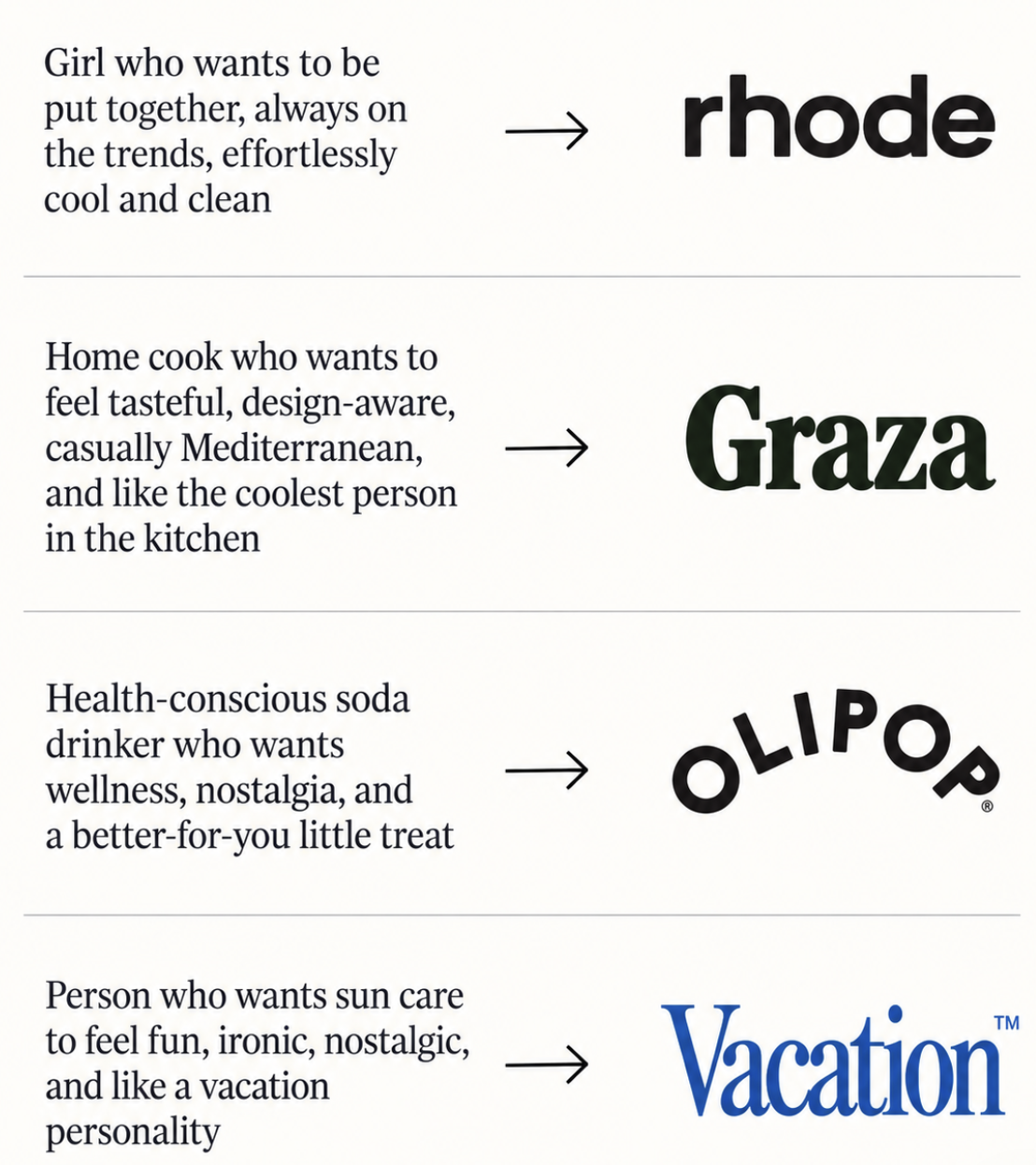
A two-pronged approach
Emotional: A product becomes a marker of taste, identity, nostalgia, aspiration, humor, status, or belonging.
Functional: A familiar category gets redesigned around the way a younger consumer actually lives: instant miso becomes portable nutrition; soda becomes prebiotics; olive oil gets separated into “cooking” and “finishing” and put into a squeeze bottle; hydration becomes an electrolyte ritual.
We also see strong brands doing both.
That distinction matters, because the Vibe Economy is not simply an economy of attractive packaging. A pretty bottle can get someone to pick a product up once. It cannot, by itself, create repeat purchase, distribution, pricing power, or a durable company. We will save the cool packaging talk for another day.
The most interesting brands build an entire proposition in which product, packaging, language, community, distribution, content, cultural references, and functionality really speak to each other and tell a story. The consumer does not necessarily separate them into individual attributes because when they see the brand on the shelf or click on its Instagram, they can tell exactly who it is for.
It is almost hard to explain, but you know it when you see it.
Those who get the vibe, get the product.
That dynamic is particularly powerful in a consumer culture where discovering the right thing increasingly carries its own social value. Among Gen Z consumers surveyed by NIQ, 56% said they look for brands purchased by people who follow what is “new” and “cool.” In separate Harris Poll research, 40% of Gen Z shoppers said they buy new products based on trends.
At the same time, this generation of brands is not surviving on aesthetics alone. Much of the most interesting consumer innovation is happening inside familiar categories. Younger consumers are embracing functional nutrition, personalization, convenience, and products that collapse multiple needs into one.
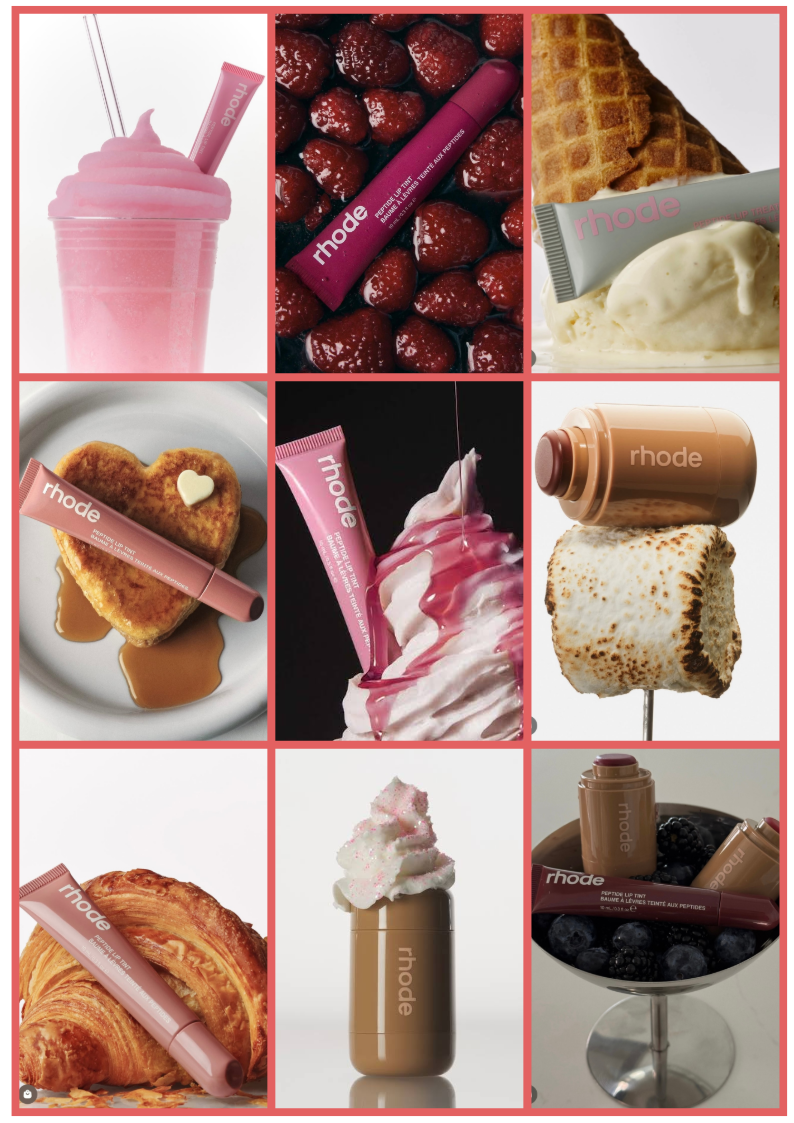
The core question
When does that intangible feeling become tangible business value?
When does a recognizable bottle become organic distribution? When does cultural relevance lower the cost of acquiring customers? When does identity create pricing power? When does a community become retention? When does a vibe become a moat?
Because plenty of brands can look cool for a limited time before they fall off.
The companies worth studying are the ones that figure out how to turn that feeling into something much harder to copy.